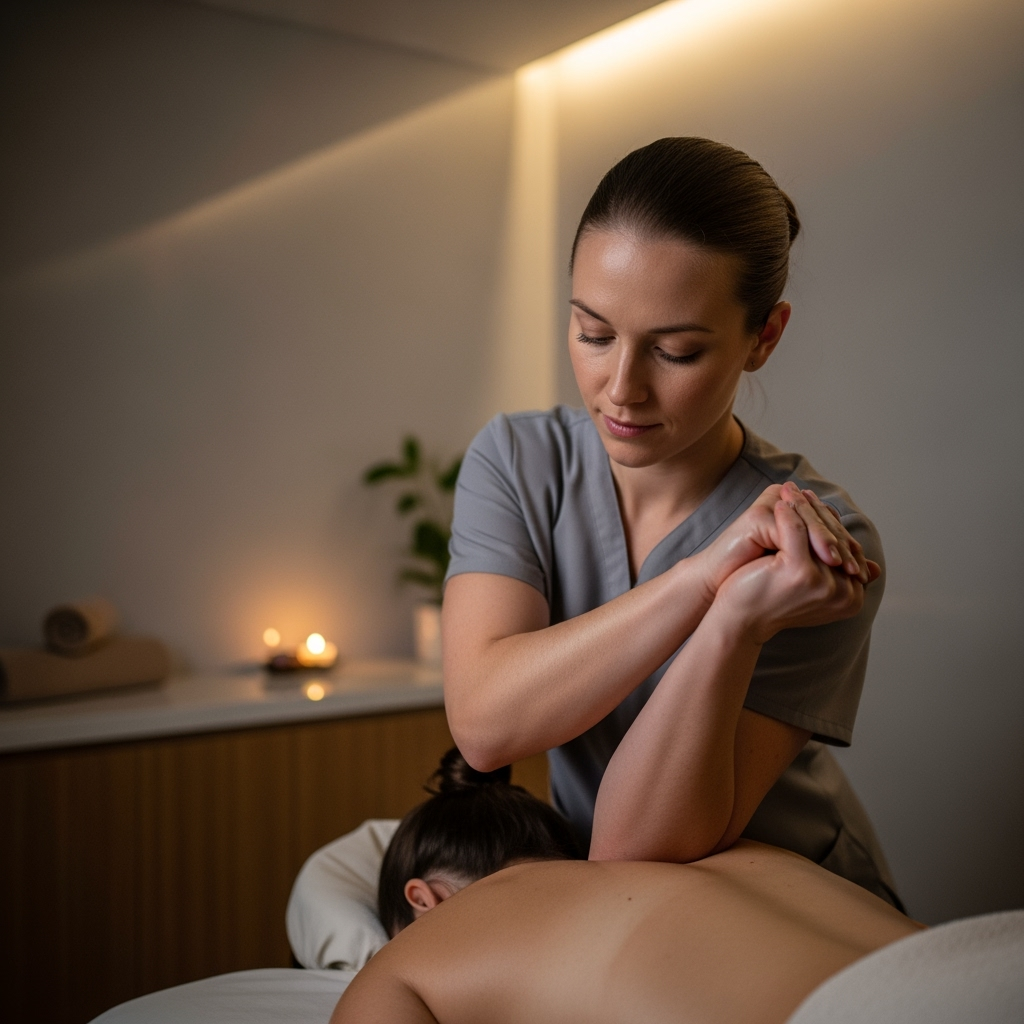
I’ve helped dozens of friends and clients in Columbus find lasting relief through targeted bodywork, and I want to share what really works. If you’re searching for deep tissue massage in Columbus, OH, this guide will walk you through what to expect, how it helps chronic pain, and how to choose a therapist who gets results. For reliable health guidance related to pain and physical therapy, I regularly consult trusted public resources like the CDC when explaining benefits and safety to clients.
Why deep tissue massage works when other treatments don’t
Deep tissue massage focuses on the deeper layers of muscles and connective tissue. Unlike light, relaxing massage, this approach uses sustained pressure and slow strokes to reach troublesome knots and adhesions. I see the biggest wins when people have tried stretching, over-the-counter meds, or even physical therapy and still feel a tightness or ache that limits daily life. Deep tissue massage often finds the root of the problem: an area of muscle that isn’t moving properly because it’s stuck down to surrounding tissue.
Who benefits most from a deep tissue session in the city
This treatment isn’t only for athletes. I recommend deep work to people who sit all day, those recovering from repetitive strain, and anyone with lingering pain from past injuries. In Columbus and nearby neighborhoods like the Short North, German Village, and Upper Arlington, many of my clients come in with desk-related neck and shoulder pain, or chronic low back issues from commuting and long hours. If your discomfort is persistent and tied to stiffness rather than acute inflammation, deep tissue work is often a good next step.
Common signs deep tissue massage might help
- Long-standing neck or shoulder tightness that doesn’t loosen with stretching
- Stiffness or limited range of motion in the lower back
- Muscle knots that return quickly after regular exercise
- Referred pain patterns — for example, a tight spot in the hip that creates knee discomfort
What to expect during your first session
I always tell people to think of their first session as a conversation with their body. A thorough intake will cover your health history, current symptoms, medications, and any prior injuries. A good therapist will do a short movement screening and ask about activities that aggravate symptoms. During the session, pressure is communicative — you should be able to speak up if it’s too intense. Expect a mix of slow strokes, sustained pressure, and focused work on specific areas. Sessions typically last 60 to 90 minutes depending on the complexity of the issue.
How therapists manage pain vs. progress
Deep tissue is not meant to cause extreme pain. There’s often some discomfort as tight tissue releases, but it should be within your tolerance and followed by relief. Skilled therapists modulate pressure and frequently check in so the work produces lasting change without causing unnecessary soreness afterward.
Top benefits people in Columbus report after sessions
From my experience, the benefits go well beyond temporary relaxation. Regular deep tissue work can improve how you move, reduce reliance on pain meds, and decrease frequency of flare-ups. Local clients often notice:
- Improved sleep because tension is reduced
- Greater mobility in hips, shoulders, and spine
- Fewer headaches when neck tension is addressed
- Faster recovery after running, weightlifting, or weekend sports
How deep tissue massage tackles common Columbus pain points
Columbus’s lifestyle — long drives across town, hours at a desk, and a strong local running and cycling community — creates predictable patterns of pain. Deep tissue work helps in specific ways:
For chronic low back pain
Tightness in the glutes and hamstrings often pulls on the low back and limits movement. A focused session releases those areas, restores hip mobility, and allows the lumbar spine to move without compensation. I always pair hands-on work with movement cues to help the change stick.
For neck and upper back tension
Forward head posture from phone and computer use shortens front muscles and overworks upper traps. Deep work on the posterior neck and thoracic spine can decrease headaches and improve posture when combined with at-home mobility exercises.
For athletes and weekend warriors
Runners and cyclists in the city often develop tight IT bands and hip flexors. Deep tissue techniques break up knots and improve tissue glide, which reduces compensations and the risk of injury during training.
Trending techniques and what’s new in bodywork
Massage therapy is evolving, and I keep an eye on trends that actually help clients. Two trends I’ve seen gain traction in the past few years are integrative recovery sessions and data-driven wellness. Integrative recovery pairs deep manual work with tools like instrument-assisted soft tissue mobilization, breath coaching, or guided mobility drills to lock in gains. Data-driven approaches involve using intake software and outcome tracking so therapists can measure progress across sessions and tailor treatments more effectively.
Another trend is the rise in demand for recovery-focused treatments that address the effects of remote work and long-term conditions. Many people now look for therapists who understand how to combine manual therapy with strategies to manage pain between sessions.
How to pick the right deep tissue therapist in Columbus, OH
Choosing who to trust with your body is important. I recommend asking a few key questions before booking and during your first session. A therapist should be able to explain their approach, how they adapt pressure, and how they measure success. Look for professionals with training in orthopedic or sports massage, or those who work closely with physical therapists for complex cases.
Questions to ask a potential therapist
- What training do you have in deep tissue and orthopedic massage?
- How do you decide how much pressure to use?
- Can you outline a short treatment plan for my issue?
- What should I do at home to support the work we do in the clinic?
At-home care: pre- and post-massage tips that make sessions last
I always give clients practical steps they can take between sessions to reinforce progress. Good at-home care reduces the number of visits needed and improves outcomes.
- Hydrate before and after your session to help flush released metabolic waste from muscles.
- Light movement and gentle stretching within 24 hours can help tissue adapt to the change.
- Use a heat pack on sore areas the evening after a session to soothe muscles, and switch to ice only if there’s swelling or acute inflammation.
- Practice short mobility drills two times a day to maintain gains in range of motion.
Safety, contraindications, and when to consult your doctor
Deep tissue techniques are powerful and sometimes not appropriate for everyone. If you have uncontrolled high blood pressure, recent fractures, open wounds, blood clotting disorders, or certain cardiac conditions, you should consult your physician before getting deep tissue work. Always inform your therapist of medications, recent surgeries, or any suspicion of a blood clot. When I plan sessions, I look for red flags during intake and adapt approaches to maximize safety and benefit.
Realistic expectations and measuring success
Treat deep tissue massage as part of a process. Some people experience immediate relief, while others notice gradual improvement over several sessions. I suggest tracking progress with simple measures: pain scale, range of motion, and how often symptoms interrupt everyday tasks. If pain persists despite consistent sessions and at-home care, it’s time to collaborate with other providers such as a physical therapist or physician to rule out structural issues that require a different approach.
Frequently asked questions
Will deep tissue massage make me bruise?
Some people bruise more easily than others. Light bruising can occur if pressure is heavy or if a therapist works near bony areas with thin tissue. Communicate your tolerance and history of easy bruising so pressure can be adjusted. The goal is productive release without causing unnecessary bruising or injury.
How many sessions will I need?
It depends on the issue. Acute stiffness might resolve in one to three sessions, while longstanding chronic pain often needs consistent work over several months combined with home exercises. I usually form a short plan of 3–6 sessions, then reassess progress and adjust frequency based on results.
Does deep tissue massage hurt?
You may feel discomfort during release, but severe pain is not necessary. A good therapist checks in and modifies pressure so work is effective and tolerable. Soreness afterward is normal, but it should subside within a day or two and be followed by improved mobility and less pain.
Practical tips for booking in Columbus
Choose a practice that offers clear intake forms, visible credentials, and easy booking. If you’re managing a chronic issue, find a therapist who can coordinate with other providers or deliver a short treatment plan. Look for convenient times that fit your routine so you can keep appointments consistent — frequent, shorter sessions often beat rare, intense sessions when building long-term change.
How this approach fits into the bigger picture of local wellness
In Columbus, wellness is increasingly about sustainable habits rather than quick fixes. Deep tissue massage is most powerful when combined with sensible ergonomics, a small daily movement routine, and attention to sleep and stress. Over time this integrated approach reduces reliance on pain medications and keeps you moving for work, family, and play.
If you’re ready to take the next step toward real relief, I recommend starting with a clear plan: pick a qualified therapist, set measurable goals for mobility and pain reduction, and commit to short home routines that reinforce each session. For many local residents, that combination turns temporary relief into lasting change.
When you’re ready to book a personalized deep tissue session in Columbus, I recommend visiting The Limber Loft for scheduling and details about individualized care.