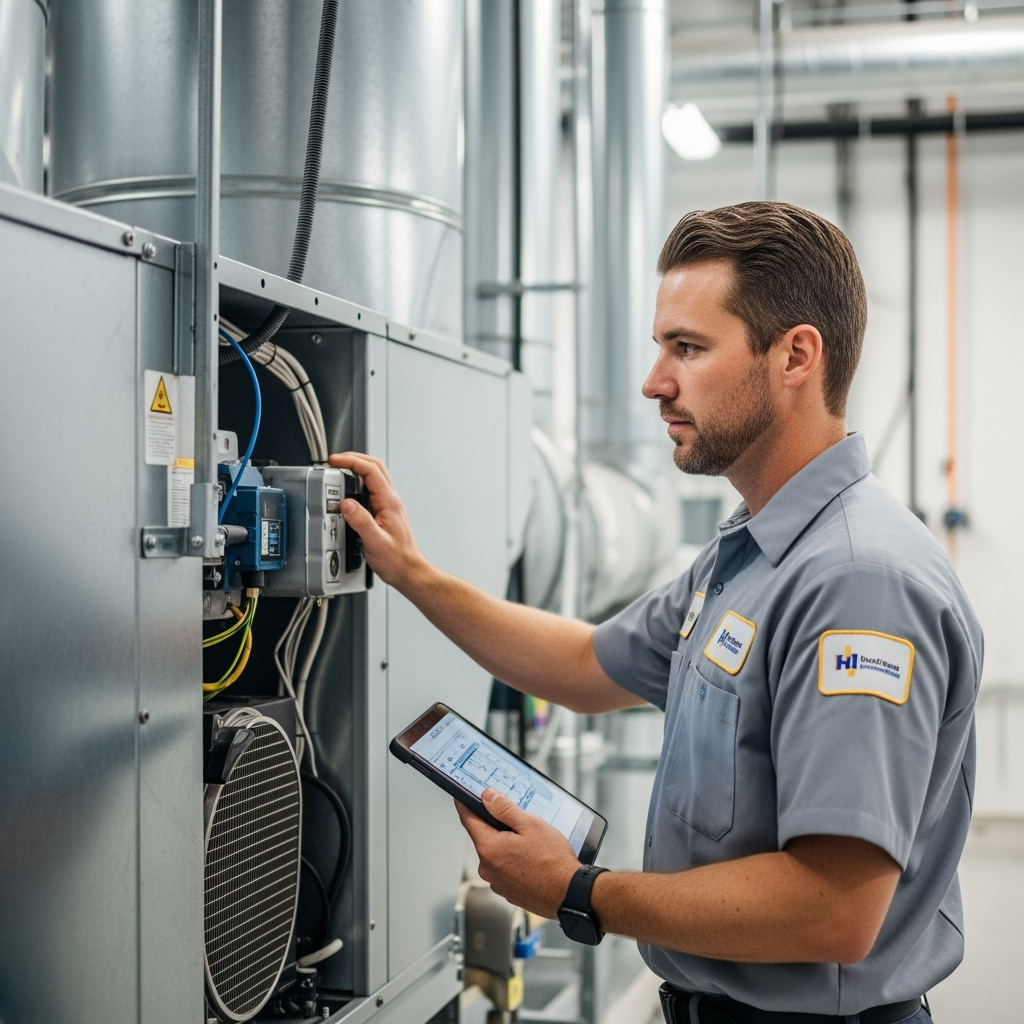
I’ve put together practical, easy-to-follow advice to help you read on today and make better decisions about heating, cooling, and indoor air quality. If you want reliable energy tips, the U.S. Department of Energy has practical guides that explain how heating and cooling impact monthly bills and efficiency, and it’s a great place to learn the basics: Energy.gov. Over the next several minutes I’ll walk you through the latest HVAC trends, simple maintenance steps that actually save money, and how to spot issues before they cost a fortune.
Why HVAC Care Matters More Than Ever
We think of HVAC as something that quietly runs in the background until it doesn’t. But a well-maintained system keeps your family comfortable, reduces energy waste, and protects the home’s structure. With rising utility costs and more people spending time at home, small improvements to your system can cut bills and improve comfort immediately. I’ll cover common pain points—strange noises, uneven rooms, poor indoor air quality—and share practical fixes that most homeowners can do or quickly confirm with a service call.
Three big reasons to prioritize HVAC care
First, efficiency: heating and cooling are typically the largest energy expense in homes, so improving system performance has an outsized effect on monthly costs. Second, longevity: simple maintenance can add years to a unit’s life and prevent premature replacement. Third, health: better filtration and ventilation meaningfully reduce allergens, dust, and pollutants, improving comfort for people with asthma or allergies.
Trending Topics in HVAC I’m Watching
Two trends are shaping how people think about home comfort this year. First is electrification and the rise of heat pumps. Heat pumps now offer strong heating performance across many climates and are becoming the preferred replacement when older furnaces or air conditioners fail. The second trend is smart comfort: connected thermostats and zoning controls let you target comfort room-by-room while lowering energy use. Both trends change how you choose equipment and plan upgrades, and I’ll explain what to ask your technician when you’re ready to explore them.
How to Diagnose Common HVAC Problems (and When to Call)
When something feels off—odd smells, weak airflow, or spikes in energy bills—start with a short checklist. These steps help you identify whether a quick DIY fix will do or whether it’s time to call a technician.
- Check filters: dirty filters restrict airflow and force the system to work harder. Replace or clean them monthly during heavy-use seasons and at least every 90 days otherwise.
- Inspect vents: make sure supply and return vents aren’t blocked by furniture, rugs, or drapes. Blocked vents create pressure imbalances and cold/hot spots.
- Listen and look: unusual noises or visible leaks around the outdoor unit or ductwork point to issues a technician should examine.
- Thermostat sanity check: ensure the thermostat is set correctly and on a reliable schedule—sometimes the problem is a misplaced smart schedule or a low battery.
When to call a professional
If you’ve changed the filter, cleared vents, and the system still cycles excessively, makes grinding or banging noises, or emits burning odors, it’s time to call for service. Safety concerns—gas smells, frequent cycling, or visible refrigerant leaks—should never wait. A trained technician can safely diagnose combustion safety, refrigerant levels, and electrical issues.
Energy-Smart Upgrades That Pay Back Quickly
Not every upgrade is costly. Some changes pay back within a season or two because they cut energy consumption immediately. Below are high-impact updates I recommend discussing with a trusted pro.
- Programmable or smart thermostats: these reduce wasted runtime and adapt to your lifestyle without frequent manual adjustments.
- Air sealing and insulation improvements: tightening the building envelope reduces the workload on your system and can eliminate uncomfortable drafts.
- Zoning and dampers: if some rooms are always too hot or too cold, zoning delivers comfort only where it’s needed and reduces overall runtime.
- Upgrading to a high-efficiency system: when an old unit is near end-of-life, replacing it with an ENERGY STAR-rated system often reduces bills and improves home comfort.
How I evaluate upgrade value
I consider the system’s age, the utility bill trends over a year, and the house’s insulation. If the unit is older than 12–15 years, replacement might offer better value than repeated repairs. For newer systems that underperform, ductwork problems or improper installation are common culprits that a service visit can address.
Indoor Air Quality: Simple Steps That Improve Health
Indoor air quality is often overlooked until someone develops allergies or the house feels stuffy. I recommend starting with a layered approach: source control, filtration, and ventilation. Source control means limiting pollutants—like chemical cleaners, cigarette smoke, and excess humidity. Filtration upgrades can be as easy as using a higher-efficiency filter compatible with your system. Mechanical ventilation, like HRVs or ERVs, helps exchange stale indoor air without losing much conditioned air.
Practical IAQ actions you can do this weekend
Run range hood fans when cooking, use exhaust fans in bathrooms, and replace basic 1-inch filters with high-quality pleated filters that your system can handle. If you have pets, more frequent cleaning and a good filter will reduce hair and dander buildup. If wildfire smoke is a seasonal issue in your area, keep windows closed and run the system with a high-efficiency filter during smoky days.
Finding the Right Local HVAC Pro
Choosing a contractor is about trust, communication, and proven work—not just the lowest price. Here are five questions I always ask before inviting a company to work in my home:
- Are technicians licensed and insured? Licensing shows they’ve met local requirements; insurance protects you in case of damage during work.
- Do they offer written estimates and clear scope of work? A good estimate outlines equipment, efficiency ratings, and what’s included in the install.
- Can they provide references or recent customer reviews? Recent and specific reviews reveal consistent service quality.
- Do they seal and test ductwork as part of installation or service? Ductwork issues often cause performance problems even with new equipment.
When comparing proposals, look beyond equipment price. Ask how they’ll ensure proper system sizing, whether they include startup and balancing, and what warranties apply to parts and labor. Proper installation matters as much as the equipment brand.
Seasonal Maintenance Checklist That Actually Works
Regular maintenance is the single best way to avoid emergency repairs and extend your system’s life. I recommend two seasonal tune-ups: one in spring for cooling and one in fall for heating. A professional tune-up should include filter checks, refrigerant level verification, electrical tests, moving parts lubrication, and a system performance check.
DIY monthly checklist
Between professional visits, these monthly tasks keep problems at bay and keep the system efficient:
- Check and replace or clean the air filter if it looks dirty or airflow seems reduced.
- Keep the outdoor condenser area clear of leaves and debris by trimming back vegetation and clearing away clutter.
- Inspect visible ductwork or the unit for signs of leaks, rust, or loose connections.
How I Help Homeowners Avoid Costly Mistakes
Homeowners sometimes make decisions that look like savings up front but cost more over time. Common mistakes include buying an undersized or oversized unit, skipping duct sealing, and selecting low-efficiency equipment without considering lifecycle costs. I recommend getting at least two detailed proposals and making decisions based on estimated annual energy costs, not just sticker price.
If you’re considering a major upgrade, ask for a load calculation (Manual J) so the system is sized correctly for the house. Proper sizing avoids short-cycling, uneven temperatures, and reduced equipment life. Also confirm the contractor will perform a startup visit and verify system operation once installation is complete—this step is sometimes excluded on low-cost bids but is essential for long-term performance.
Cost-Saving Tips for Tight Budgets
If replacing equipment isn’t in the budget right now, try these tactics to stretch comfort and efficiency without a big investment. They’re simple, inexpensive, and often overlooked.
Adjust your thermostat by a few degrees and use ceiling fans to maintain comfort while reducing runtime. Seal leaky doors and windows to block drafts, and add insulation in accessible places like the attic. If your system struggles, focus on improving airflow—clean filters, clear vents, and ensure returns aren’t blocked. Small changes can translate to noticeable savings on your energy bill.
What I Watch During a Service Call
When a technician arrives, I pay attention to how they diagnose the problem and how they explain it. A good tech will inspect, show you the issue, and walk you through options rather than pushing the most expensive fix. Expect them to check refrigerant pressure, electrical safety, flame sensors on gas systems, and ductwork condition. Ask for measured performance numbers if you want to compare efficiency before and after repairs.
Final Checklist Before You Schedule a Service
Before you pick a date, have these details ready so the visit is productive: the system’s brand and age, recent symptoms (noises, smells, uneven temps), recent energy bill trends, and any previous repair history. This context helps the technician prioritize tests and focus on likely causes right away, saving time and reducing the chance of a second visit.
To recap, maintain filters and vents, perform seasonal tune-ups, consider smart thermostats and zoning for efficiency, and prioritize correct system sizing if you’re replacing equipment. These steps keep systems running longer and make the home more comfortable and healthy.
If you want a trustworthy local HVAC contractor to handle diagnostics, maintenance, or system upgrades in the city or nearby neighborhoods, reach out to the team directly. You can learn about available services, scheduling, and how they approach energy-efficient solutions by visiting HHMEC.