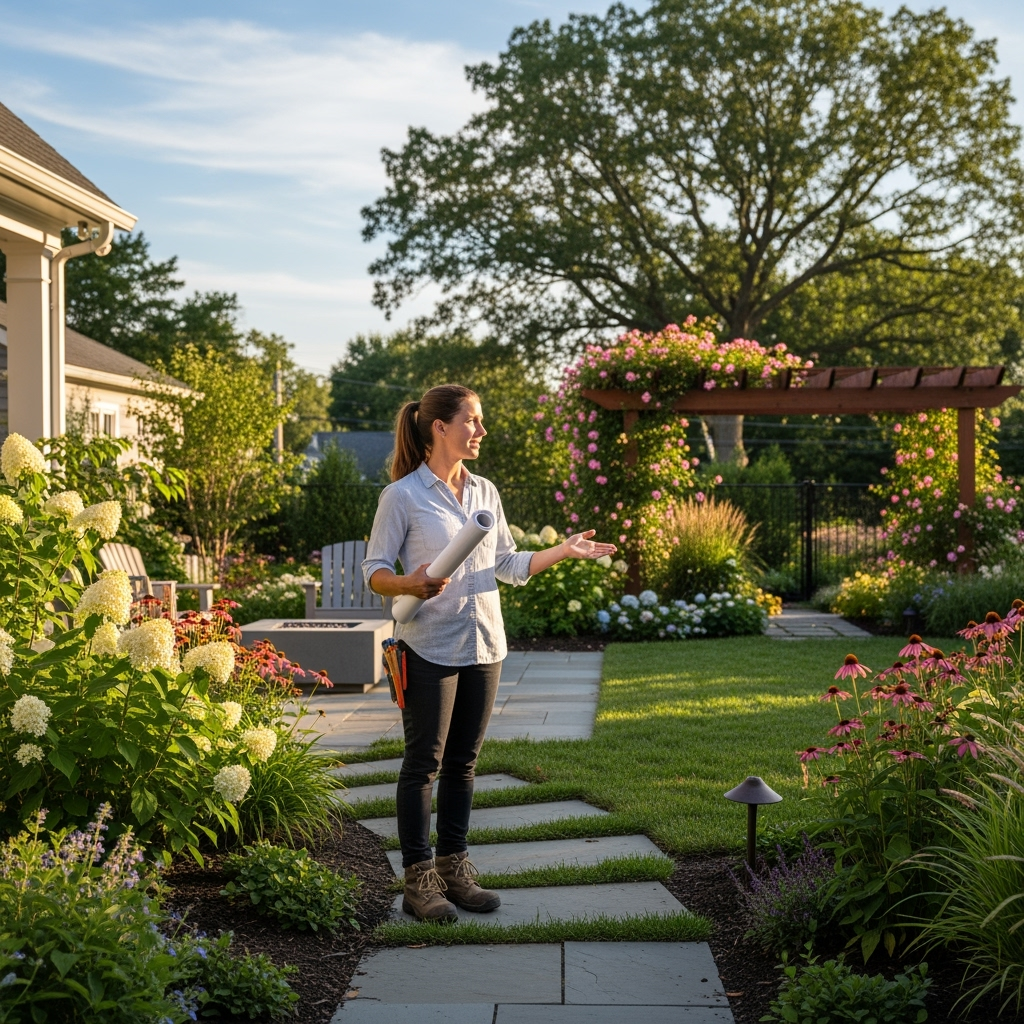
I love helping neighbors turn tired yards into useful, beautiful spaces, and if you’re searching for New Jersey backyard landscaping ideas you’re in the right place. In this guide I pull from real-world experience working across the state — from Bergen County suburbs to historic properties near Princeton — and I’ll share smart, budget-friendly approaches backed by practical guidance and a national perspective from the EPA on sustainable outdoor practices.
Why New Jersey backyards need a local-first approach
Design that works in Florida or California won’t always suit New Jersey’s climate, soil types, or seasonal swings. We have cold winters, hot humid summers, and variable rainfall across the north-south axis of the state, so plants, hardscape materials, and drainage plans all need to be chosen with these realities in mind. Local soil can be clay-heavy in pockets, sandy near the coast, and compacted in suburban lots. That affects planting depth, irrigation needs, and even the types of trees that will thrive long-term.
Top trends shaping backyard landscapes in New Jersey
Here are current trends I’m seeing in the area that I recommend considering when planning a backyard refresh. These ideas are both stylish and practical for this region.
Outdoor rooms and flexible living spaces
Homeowners want multi-use yards that extend the living area. A combined patio, dining terrace, and fire pit can serve family meals, summer parties, and chilly fall gatherings. The trick is to design for circulation and layering: seating areas, pathways, and plant buffers that create rooms without closing off the yard.
Sustainable, low-water plantings and native gardens
Drought-tolerant plantings and native species are rising in popularity, since they cut maintenance and water bills while supporting pollinators. Selecting native perennials and shrubs reduces the need for chemical inputs and helps create resilient landscapes that handle New Jersey’s swings in rainfall.
Smart irrigation and efficient lighting
Smart controllers and drip irrigation systems reduce waste and give precise water to plant roots. LED landscape lighting has become both energy-efficient and affordable, allowing dramatic night-time scenes without ballooning electricity costs.
Design basics: start with a plan
Good results start with a clear plan. I recommend mapping the yard’s sun patterns, drainage flows, existing trees, and property lines before deciding where to add features. This prevents costly mistakes like placing a patio where water ponds or seating too close to a tree whose roots will disrupt hardscape over time. If you’re working in a tight township lot in Jersey City or a spacious suburban parcel in Morris County, the same planning steps apply.
Key steps for a practical plan
Begin with a simple site survey: measure the lot, note shade and sun hours, and mark any problem spots. From there, prioritize use-cases (entertaining, play, vegetable beds) and sketch a few layout options. A clear program makes budgeting and phasing the work far easier.
Hardscaping ideas that last in the Northeast
Hardscape materials must resist freeze-thaw cycles and handle salt exposure near the shore. Here are durable, attractive options I recommend for New Jersey backyards.
- Concrete pavers with proper base preparation for patios and walkways — they’re long-lasting and low-maintenance.
- Natural stone steps and retaining walls for sloped sites — choose frost-resistant stone and proper drainage behind walls.
- Composite decking for poolside and raised platforms — composite resists moisture better than wood in humid summers.
Planting palettes that thrive locally
Choosing plants that match local conditions reduces replacement costs and maintenance. For New Jersey yards, mix evergreen structure with seasonal color and pollinator-friendly perennials. Think about multi-season interest so the garden looks good beyond summer.
Plant suggestions by function
For quick screening or privacy, select evergreen shrubs that tolerate local winters. For pollinators and color, include native coneflowers, New England asters, and black-eyed Susans. Along sunny borders, grasses like little bluestem add movement and winter interest, while shade gardens under mature maples welcome hostas and ferns.
Smart irrigation, drainage, and soil fixes
Many problems I see come from poor drainage or compacted soil. Adding drainage runs, expanding planting beds with quality amended soil, and installing drip irrigation can transform plant survival rates. In heavy clay areas, raised beds or sand-amended planting soil helps roots breathe and reduces surface compaction.
- Install a smart irrigation controller paired with zone-specific drip lines for beds and rotors for turf to avoid overwatering.
- Use French drains or shallow swales to move standing water away from patios and foundations.
- Top-dress beds with compost annually to improve soil structure and nutrient availability.
Lighting and outdoor features that make evenings count
Good lighting extends the use of a backyard well into the evening. Prioritize layered lighting: path lights for safety, accent lights for focal plants or trees, and warmer ambient lights for dining areas. Battery- or solar-powered accents are good for small budgets, but hardwired LED low-voltage systems offer the most reliable long-term performance for entire yards.
Budgeting and phasing so projects don’t overwhelm
Large projects are easier to manage when broken into phases. Start with core items that solve immediate problems — drainage, lawn repair, and a basic patio. Add planting and decorative elements in year two or three. This staged approach keeps costs manageable and allows the landscape to mature naturally.
Actionable backyard refresh plan you can follow
Here’s a straightforward sequence I use for most New Jersey backyard projects. It reduces rework and keeps the site usable during construction.
- Survey and priorities — spend one weekend mapping sun, shade, and drainage, and list how you want to use the yard.
- Fix grade and drainage — resolve standing water issues first to protect future hardscape and plants.
- Install hardscape and major structures — patios, paths, retaining walls, and decks.
- Plant in phases — establish trees and shrubs first, then layer in perennials and groundcovers.
- Set up irrigation and lighting last to ensure systems match the completed layout.
Common problems and how to avoid them
Several mistakes show up repeatedly in regional projects, but they’re easy to avoid with planning. Don’t place heavy structures over tree roots, don’t ignore drainage on sloped lots, and don’t pick plants based on looks alone — check mature size and local hardiness. Also, be wary of compacting soil with heavy machinery in spring; wait until the soil has dried slightly to reduce long-term compaction.
Two trending topics I’m excited about
First, the shift to native, pollinator-friendly landscapes is growing in New Jersey neighborhoods. These plantings support local biodiversity and often qualify for municipal incentives in towns that encourage low-maintenance, ecologically sound yards. Second, outdoor kitchens and year-round fireplaces are becoming more popular as homeowners look for higher-value, low-maintenance additions that increase usable square footage outside.
How a local landscape designer helps residents
Working with a local designer solves the guesswork. We know which plant varieties handle specific microclimates in towns across the state, what materials hold up near the coast, and how to balance aesthetics with township setback rules. A professional plan can reduce long-term costs by preventing rework and guiding phased implementation so each step adds value.
Quick maintenance checklist for every season
Keep your yard healthy and attractive year-round with these seasonal tasks that fit busy schedules. Routine care prevents small issues from becoming costly fixes.
Spring
Inspect drainage, refresh mulch in beds, and prune dead branches. Tune irrigation systems before the growing season.
Summer
Monitor for stressed plants and adjust irrigation. Deadhead perennials to prolong bloom and keep pests in check with early detection.
Fall
Cut back perennials selectively, protect young trees with mulch, and service hardscape lighting and heaters for cooler evenings.
Winter
Store cushions and protect vulnerable shrubs from heavy snow or salt exposure. Plan any big changes to start early in spring.
Final thoughts and next steps
When you approach your backyard with a local-first mindset — matching materials, plants, and systems to New Jersey’s climate and neighborhood character — you get a space that looks great and works for your family year after year. Start small if you need to, but begin with a clear plan so every change moves the yard toward a cohesive, low-maintenance future.
If you’re ready to get practical design help or want a phased plan that fits your budget and the local climate, reach out and we can talk through options tailored to your town. For a straightforward consultation or to review specific design services, visit Creative Design NJ and schedule a time to discuss how we can transform your outdoor space in New Jersey.